
-

Standard Horizon
Standard Horizon GX1410GW Eclipse Series 25W Fixed Mount VHF/GPS - White
MSRP $269.99$225.00 -
-
-


-

-
Sale


Standard Horizon
Standard Horizon GX1800G Fixed Mount VHF w/GPS - White
MSRP $459.99Was $399.99Sale $369.00 -
Sale

Standard Horizon
Standard Horizon GX1850 Fixed Mount VHF - NMEA 2000 - Black
MSRP $459.99Was $399.99Sale $369.00 -
Sale
-
Sale
-
Sale

Standard Horizon
Standard Horizon GX1850 Fixed Mount VHF - NMEA 2000 - White
MSRP $459.99Was $399.99Sale $369.00 -
SOLD OUT

-
Sale
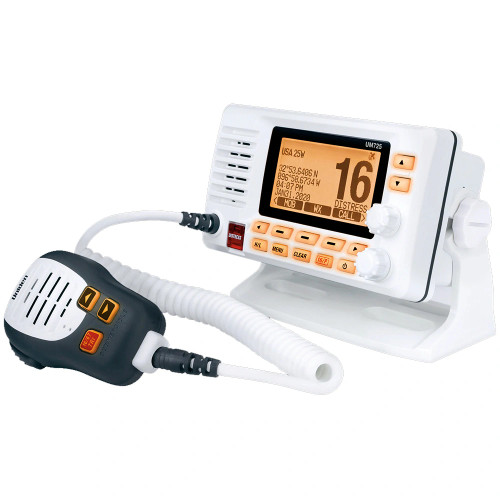
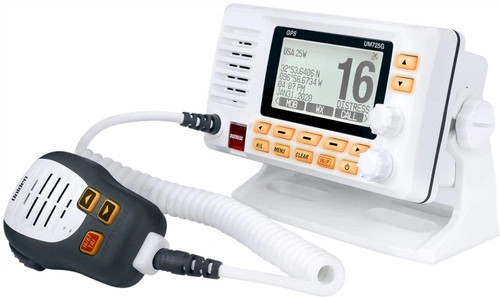
Uniden
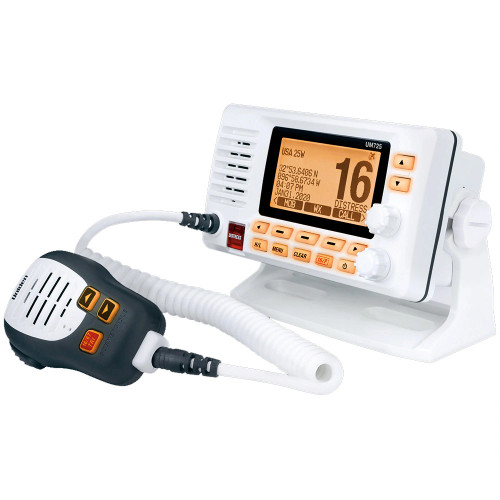
Uniden UM725 Fixed Mount Marine VHF Radio w/GPS - White
MSRP $249.99Was $229.99Sale $179.99 -
Sale

Uniden
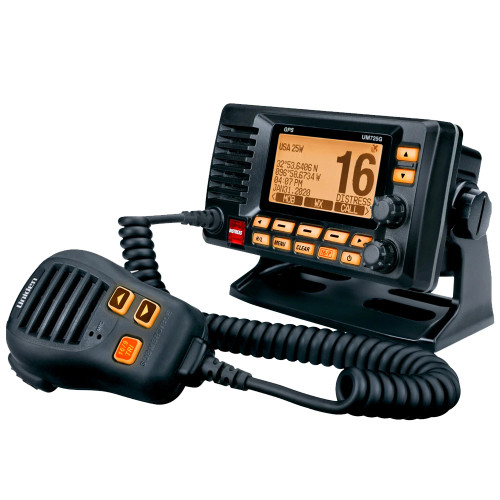
Uniden UM725 Fixed Mount Marine VHF Radio w/GPS - Black
MSRP $249.99Was $229.99Sale $179.99 -


-
Sale
-
Sale
VHF Marine Radios
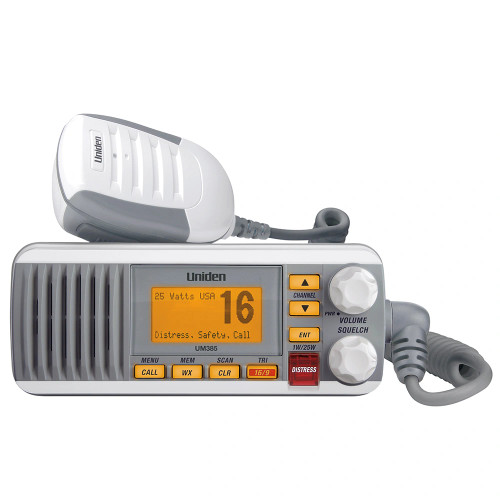
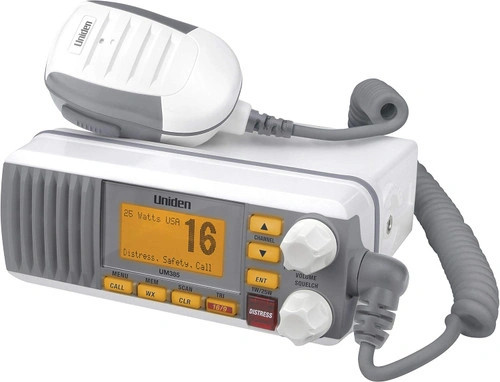
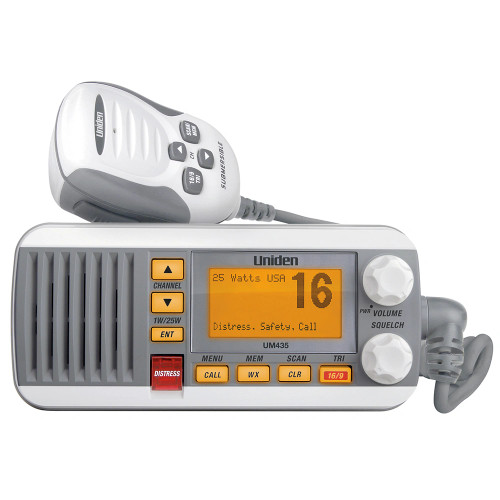
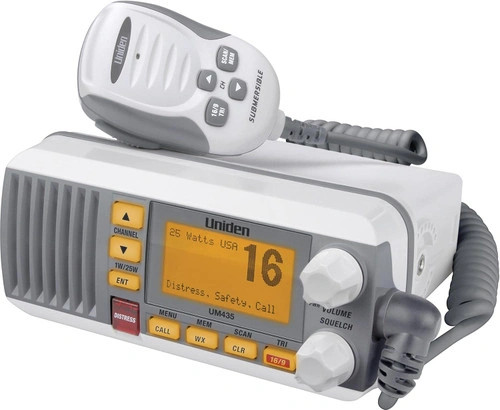
VHF marine radios serve as the single most critical safety and communication tool for boaters, allowing direct contact with nearby vessels, bridge operators, marinas, and the U.S. Coast Guard. Operating on very high frequency bands (typically 156 to 162 MHz), these line-of-sight communication systems outlast cellular networks far from the shore.
Key Types of Marine VHF Radios
When choosing a system, boaters must primarily decide between two configurations, which can also be paired together for redundant safety:
- Fixed-Mount Radios: Operating at a powerful 25 watts, these units connect directly to the boat’s battery network. Their transmission range is dependent on the height of the external antenna and can easily extend 25 to 30 miles.
- Handheld Radios: Operating at 1 to 6 watts, these portable units run on independent internal batteries. Because of their short, integrated antennas, their line-of-sight range is limited to roughly 2 to 5 miles. However, they function as a vital backup if the vessel loses power.
Crucial Safety Features
- Digital Selective Calling (DSC): A modern emergency feature that works like a digital distress button. When pressed, it instantly transmits a digital message to the Coast Guard.
- MMSI Registration: To unlock DSC functionality, you must register for a unique nine-digit Maritime Mobile Service Identity (MMSI) number. This acts like a digital footprint, linking your specific boat and contact details to the transmission.
- Integrated GPS & AIS: Premium radios feature built-in GPS to automatically broadcast your exact coordinates during a distress call. Advanced units also integrate an Automatic Identification System (AIS) receiver to track and display nearby ship traffic.